Top Factors to Consider When Selecting a Gauge for Hydrochloric Acid
Understanding Hydrochloric Acid and Its Properties
Chemical Composition of Hydrochloric Acid (HCl)
Hydrochloric acid (HCl) is a strong, colorless acid formed by the combination of hydrogen chloride gas with water. This potent solution contains a high concentration of hydrogen ions, making it an effective and versatile chemical in various industrial applications. HCl is not only essential in the production of chlorides, fertilizers, and dyes but also plays a critical role in metal processing and pH regulation in various chemical procedures. Understanding its chemical composition is vital for selecting appropriate equipment, especially a hydrochloric acid tank level gauge, that can withstand the harsh characteristics of this acid.
Corrosiveness of Hydrochloric Acid and Its Impact on Gauges
The corrosive nature of hydrochloric acid poses significant challenges for measuring instruments. HCl readily reacts with metals, leading to degradation and failure of standard gauges. This corrosion can compromise the integrity of level gauges, resulting in inaccurate readings and potential safety hazards. When selecting a gauge for hydrochloric acid, it’s crucial to consider materials that resist corrosion. Failure to address the corrosiveness of HCl can lead to equipment breakdowns and expensive operational downtime, emphasizing the importance of reliable, corrosion-resistant materials in gauge construction.
Comparison of Hydrochloric Acid with Sodium Hydroxide (NaOH)
Hydrochloric acid (HCl) and sodium hydroxide (NaOH) serve as prime examples of strong acids and bases, respectively. While HCl is a strong acid characterized by its corrosive properties, NaOH is a strong base that can also cause severe reactions. Both chemicals are commonly used in various industrial processes but differ significantly in their chemical behavior. For instance, while NaOH can react with metals to form hydroxides, HCl’s reactions tend to be more aggressive, often leading to rapid corrosion of unprotected surfaces. Understanding these differences is essential when selecting a chemical level gauge, as the gauge must withstand not just the chemical’s properties but also potential reactions with other substances in the system.
Key Considerations for Selecting a Gauge for Hydrochloric Acid
Material Compatibility: Choosing Corrosion-Resistant Materials
Selecting the right materials for a hydrochloric acid tank chemical tank level gauge level gauge is pivotal. Corrosion-resistant materials like stainless steel, glass, and specialized alloys provide durability and longevity. Stainless steel, especially grades like 316 or 304, exhibits remarkable resistance to hydrochloric acid, making it a popular choice. Glass gauges are also widely used, offering transparency for easy level visibility while resisting chemical attacks. However, ensure that any sealing materials and fittings used in conjunction with these gauges are also compatible with HCl. The choice of material directly affects the reliability and safety of the measuring instrument, so thorough research into corrosion ratings and compatibility is essential.
Types of Level Gauges Suitable for HCl Storage Tanks
Various types of level gauges can be deployed for hydrochloric acid storage tanks, each offering unique advantages. Magnetic float level gauges, for example, provide accurate readings and can be constructed from corrosion-resistant materials. Additionally, capacitive level sensors can measure the liquid level without direct contact, reducing the risk of corrosion. Pressure gauges are also effective for monitoring levels in closed systems. When selecting a gauge, consider not only the operating conditions but also the specific requirements of hydrochloric acid level measurement. Each type of gauge has its own set of benefits and limitations, thus necessitating careful evaluation based on the application.
Importance of Reliability in Measuring Instruments
Reliability plays a crucial role in the performance of any measuring instrument, especially when dealing with corrosive substances like hydrochloric acid. Choosing a gauge known for its consistent performance ensures that operators receive accurate readings, minimizing the risk of accidents or chemical spills. Regular maintenance and calibration can enhance the reliability of these instruments. Investing in high-quality, reliable gauges prevents costly downtimes and maintains safety in the workplace. Assessing the reputation of manufacturers and their adherence to industry standards can also aid in selecting instruments that provide the necessary reliability for hydrochloric acid level measurement.
Advanced Features and Technologies in Level Gauges
Innovative Level Sensors for Accurate Measurement
Recent advancements in level sensor technology have significantly improved the accuracy of hydrochloric acid measurements. Innovative level sensors now utilize technologies such as ultrasound, radar, and guided wave radar, providing precise readings regardless of the tank's environmental conditions. These sensors minimize the risks associated with traditional mechanical gauges, such as wear from corrosive environments. By implementing these cutting-edge technologies, industries can achieve greater efficiency and safety in monitoring hydrochloric acid levels. Additionally, some advanced sensors offer real-time data transmission, which enhances monitoring capabilities and allows for timely responses to any fluctuations in levels.
Utilizing Pressure Gauges for Hydrochloric Acid
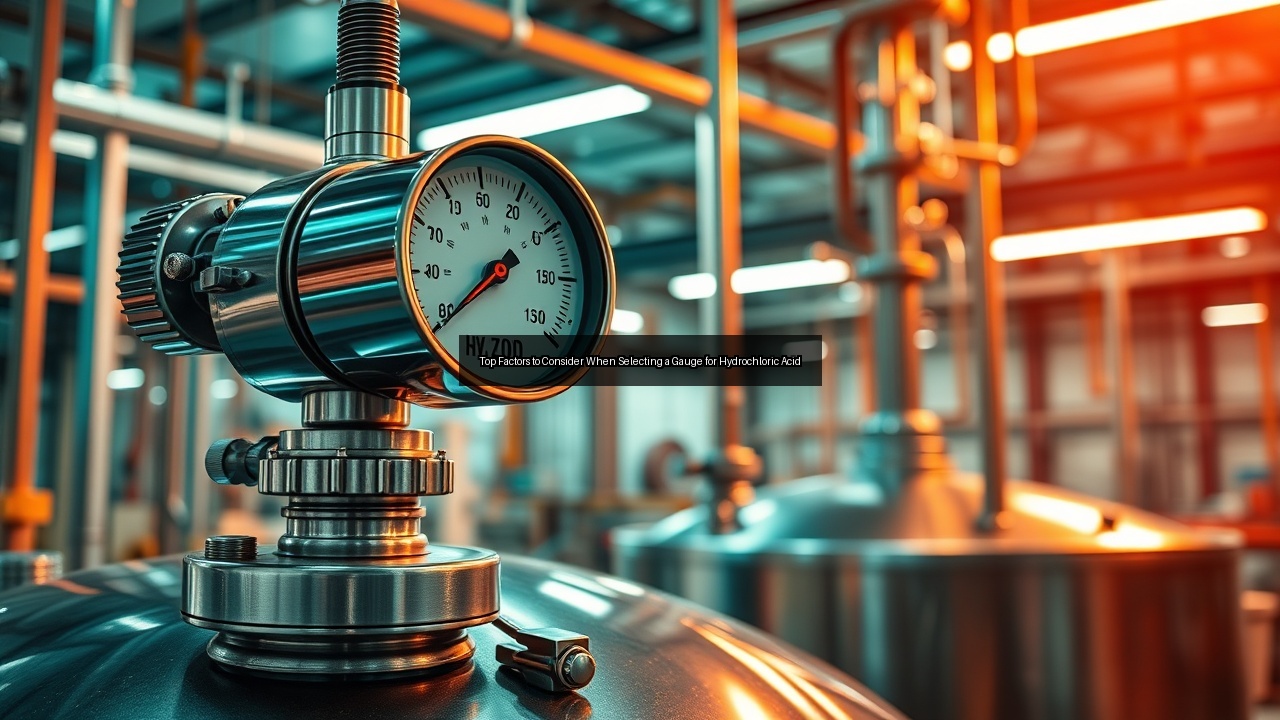
Pressure gauges serve as an effective alternative for measuring hydrochloric acid levels, particularly in closed systems. These gauges measure the pressure exerted by the liquid column in the tank, allowing for accurate level determination without direct exposure to the corrosive acid. Selecting pressure gauges constructed from materials resistant to hydrochloric acid ensures longevity and reliable operation. When using pressure gauges, operators must also consider factors like temperature fluctuations, which can affect pressure readings. Thus, meticulous attention to the specifications of pressure gauges is essential for effective hydrochloric acid level measurement.
Benefits of Using Glass and Stainless Steel in Gauge Construction
Glass and stainless steel emerge as two of the most effective materials for constructing gauges used in hydrochloric acid applications. Stainless steel offers robust strength and excellent corrosion resistance, making it ideal for harsh environments. Its durability ensures that gauges maintain functionality over extended periods, reducing maintenance costs. Conversely, glass provides visual clarity, allowing operators to monitor levels easily. While glass is more susceptible to breakage, combining it with stainless steel components enhances overall robustness. Leveraging the strengths of both materials can lead to superior gauge performance, ensuring safety and reliability in hydrochloric acid tank level measurement.
Best Practices for Maintenance and Safety
Regular Calibration and Maintenance of Level Gauges
Maintaining the accuracy of a hydrochloric acid tank level gauge requires regular calibration and maintenance. Calibration ensures that the gauge provides precise readings, which is critical for preventing overflows and managing chemical inventories effectively. Operators should establish a routine maintenance schedule, checking for any signs of wear, corrosion, or malfunction. Addressing these issues promptly helps avoid potential hazards and costly repairs. Additionally, keeping a maintenance log can help track the gauge's performance over time, providing valuable information for decision-making regarding replacements or upgrades.
Safety Protocols When Measuring Hydrochloric Acid Levels
Safety should never be compromised when measuring hydrochloric acid levels. Implementing stringent safety protocols protects personnel and the environment. Operators should wear appropriate personal protective equipment (PPE) such as gloves, goggles, and acid-resistant clothing. Proper training on handling hydrochloric acid is essential, ensuring that all personnel understand the risks involved. Additionally, operators should establish emergency procedures, including spill response plans and evacuation routes, to mitigate risks. By prioritizing safety protocols, industries can create a safer working environment when dealing with hazardous materials like hydrochloric acid.
Understanding the Role of pH in Acid Level Measurement
The pH level of hydrochloric acid plays a significant role in level measurement and overall system management. Monitoring pH levels helps determine the acid's concentration, which is crucial for various chemical processes. Instruments capable of measuring pH alongside level provide a comprehensive understanding of the chemical's state. This dual capability enhances decision-making, ensuring that operators maintain optimal conditions within storage tanks. Knowledge of pH also aids in troubleshooting potential issues, allowing for timely interventions that protect both equipment and personnel from the corrosive effects of hydrochloric acid.
See Also
- Revolutionizing Chemical Storage with Advanced Level Gauges
- Innovative Solutions for Measuring Hydrochloric Acid Levels
- Maximize Storage Safety with Cutting-Edge Level Measurement Technologies
- The Future of Corrosion-Resistant Level Sensors for Acid Storage
- The Role of Reliable Level Gauges in Safeguarding HCl Storage Tanks