The Future of Heating is Here with Advanced Flexible Heater Technologies
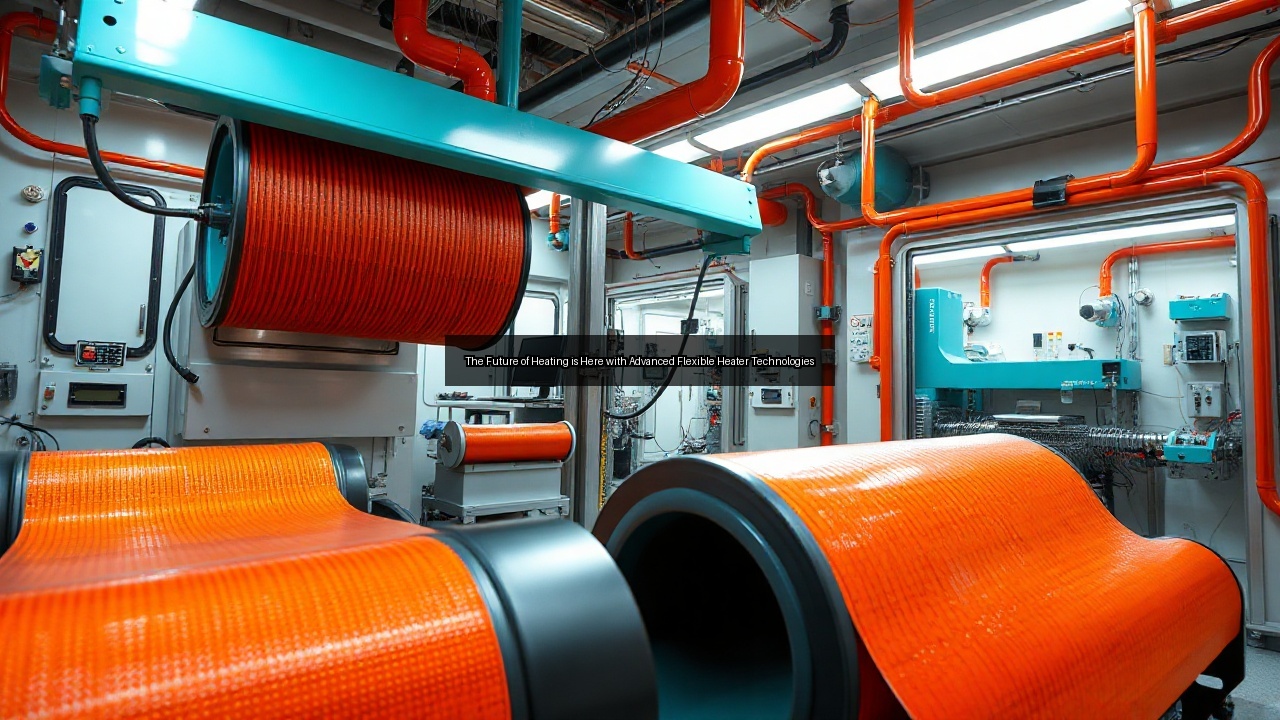
Understanding Flexible Heater Technologies
What Are Flexible Heaters?
Flexible heaters represent a revolutionary advancement in electric heating technology. Unlike traditional rigid heating elements, flexible heaters can conform to various shapes and surfaces, offering versatile solutions for diverse applications. These heaters consist of a thin heating element embedded within a substrate, often made from advanced materials that permit flexibility without compromising efficiency. Industries ranging from aerospace to medical devices utilize flexible heaters, capitalizing on their lightweight design and ability to deliver uniform heat distribution. Their adaptability allows for seamless integration into complex systems, making flexible heaters a preferred choice for modern engineering challenges.
Key Components of Flexible Heating Solutions
Flexible heating solutions incorporate several key components that ensure their effectiveness and reliability. The heating element, often constructed from materials like nickel or copper, generates heat through electric current. Surrounding this element, an insulating layer prevents heat loss and protects other components from heat damage. A flexible circuit is crucial, as it connects the heating element to a power source and controls the heat output. Additionally, integrating thermocouples and sensors enhances the functionality of these heaters by providing real-time temperature feedback. These elements work in harmony to create efficient, responsive heating solutions tailored to specific requirements.
The Role of Flexible Circuits in Heating Elements
Flexible circuits play a pivotal role in the performance of flexible heating elements. These circuits allow for intricate designs and configurations, enabling manufacturers to create heaters that fit unique spaces. The flexibility of these circuits facilitates installation in tight or irregular locations, a significant advantage over traditional rigid heaters. Furthermore, advancements in flexible circuit technology enhance the durability and reliability of heating solutions. By minimizing the risk of damage during installation and operation, flexible circuits contribute to the longevity of flexible heaters, making them a smart choice for applications requiring consistent heating over time.
Innovative Materials in Flexible Heating
Teflon and Kapton: The Future of Heat Resistance
Teflon and Kapton are at the forefront of materials used in flexible heater technology, providing exceptional heat resistance and electrical insulation. Teflon, known for its low friction properties and chemical inertness, serves as an ideal substrate for flexible heaters in environments where exposure to harsh chemicals is a concern. Kapton, a polyimide film, withstands extreme temperatures without losing its flexibility, making it a favorite in high-performance applications like aerospace and electronics. flexibility in heating Both materials ensure that flexible heaters maintain efficiency and reliability under varied conditions, paving the way for innovative heating solutions across multiple industries.
Silicone Rubber and Its Applications in Flex Heaters
Silicone rubber emerges as another versatile material in the realm of flexible heating. Its inherent flexibility, durability, and resistance to a wide temperature range make it an excellent choice for manufacturing flex heaters. Silicone rubber can endure repeated bending and flexing without degrading, which is essential for applications where movement is inevitable. Moreover, silicone’s insulating properties enhance the safety and efficiency of heating systems. Industries such as automotive, medical, and consumer electronics leverage silicone rubber in their flexible heater designs, resulting in reliable heating solutions that meet stringent requirements.
FEP and Its Advantages for Military Use
Fluorinated ethylene propylene (FEP) offers unique advantages for military applications, particularly in the realm of flexible heating. FEP is a highly resistant material that endures extreme temperatures and harsh chemical environments, making it suitable for military equipment exposed to challenging conditions. Its dielectric properties ensure effective insulation, crucial for maintaining operational integrity in sensitive electronic systems. Flexible heaters made with FEP can withstand the rigors of military use without compromising performance. As the demand for advanced heating solutions in defense technology increases, FEP stands out as a top choice for flexible heaters designed for military applications.
Engineering Considerations for Flexible Heaters
Designing for Flexibility: Best Practices
When designing flexible heaters, engineers must prioritize flexibility while ensuring efficiency and reliability. Best practices include selecting appropriate materials that maintain performance under repeated bending and flexing. Engineers should also focus on the layout of the heating element, ensuring even heat distribution across the surface. Incorporating flexible circuits into the design enhances connectivity and allows for complex configurations, increasing versatility. Additionally, thermal management becomes crucial; engineers need to consider how heat dissipates in the specific application environment. By following these best practices, designers can create flexible heaters that meet the demands of modern technology while offering unmatched adaptability.
Integrating Thermocouples and Sensors
Integrating thermocouples and sensors into flexible heater designs elevates their performance by providing real-time temperature monitoring and control. Thermocouples, which measure temperature through voltage changes, allow for precise temperature regulation, enhancing the efficacy of the heating element. Sensors can monitor temperature fluctuations and adjust the power output accordingly, ensuring consistent heating and preventing overheating. This integration is particularly valuable in applications requiring tight temperature tolerances, such as in medical devices or specialized manufacturing processes. Advanced control systems enhance the responsiveness of flexible heaters, making them smart solutions for various industries.
Applying Ohm's Law in Electric Heating Calculations
Ohm's Law serves as a foundational principle in the design and operation of electric heating systems, including flexible heaters. This law, which states that current equals voltage divided by resistance (I = V/R), allows engineers to calculate the necessary parameters for effective heating. Understanding the resistance of the heating element is crucial for determining how much current will flow at a given voltage, impacting the overall performance and efficiency of the heater. Engineers use calculators and simulation software to optimize these variables, ensuring that the heaters operate within safe and efficient limits while delivering the required heat output.
Applications and Trends in Flexible Heating
Flexible Heaters in Military and Aerospace
Flexible heaters find extensive applications in military and aerospace sectors, where reliability and performance under extreme conditions are paramount. These heaters are used for de-icing aircraft, maintaining optimal temperatures in sensitive electronics, and ensuring the functionality of critical equipment. The lightweight and adaptable nature of flexible heaters allows for seamless integration into various systems, enhancing their effectiveness. As military technology evolves, the demand for flexible heating solutions that can withstand harsh environments continues to rise, prompting innovation and development in this field.
Emerging Markets for Flexible Heating Solutions
Emerging markets for flexible heating solutions are shaping the future of technology. Industries such as renewable energy, automotive, and medical applications are increasingly adopting flexible heaters to enhance performance and efficiency. For instance, electric vehicles leverage flexible heating to manage battery temperatures, optimizing performance and longevity. In the medical field, flexible heaters are critical for maintaining precise temperatures in devices like incubators and surgical equipment. As these markets expand, manufacturers are continuously innovating to develop more efficient and reliable flexible heating solutions tailored to meet specific industry needs.
The Future of Electric Heaters: Trends and Innovations
The future of electric heaters lies in the integration of advanced technologies and materials. Trends indicate a growing emphasis on energy efficiency, with manufacturers developing heaters that consume less power while delivering higher performance. Innovations such as smart heating solutions, which utilize IoT connectivity for remote monitoring and control, are gaining traction. Additionally, the use of eco-friendly materials and processes aligns with global sustainability goals, making flexible heaters not only effective but also environmentally conscious. As technology progresses, the flexible heating industry will continue to evolve, offering solutions that meet the demands of a rapidly changing world.
See Also
- How Flexible Heating Elements Change the Game in Electric Heating Solutions
- Flexible Heating Solutions for Challenging Environments and Applications
- The Science Behind Flexible Heaters and Their Thermocouple Integration
- Maximizing Efficiency with Flexible Heaters in Industrial Settings
- From Silicone Rubber to FEP Discovering Flexible Heater Materials