How to Choose the Right Material for Your Custom Injection Molding Project
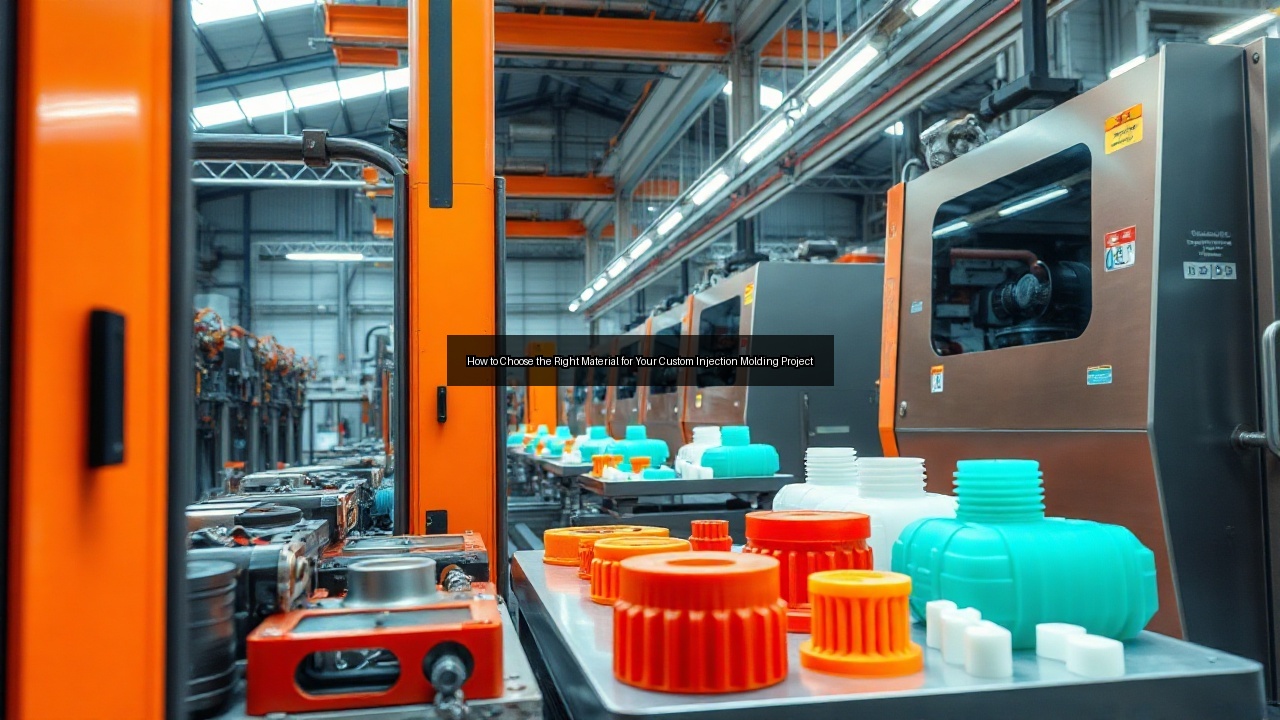
Understanding the Basics of Custom Plastic Injection Molding
What is Custom Plastic Injection Molding?
Custom plastic injection molding is a manufacturing process that creates plastic parts by injecting molten plastic into a precisely designed mold. This method allows for high-volume production with exceptional repeatability and accuracy. Custom injection molding caters to specific design requirements, enabling manufacturers to produce intricate shapes and components that meet unique specifications. Industries like automotive, consumer goods, and medical devices extensively utilize this method to create custom plastic parts that fulfill stringent performance and aesthetic criteria. The process not only optimizes material usage but also reduces waste, making it a sustainable choice for modern manufacturing.
Key Components of Injection Molds
Injection molds consist of several critical components that work together to form the final product. The mold itself acts as the cavity where the molten plastic takes shape. Key components include the mold base, which provides support and alignment; the core and cavity, which create the internal and external features; and the ejection system, which helps to remove the finished part from the mold. Other essential tools include cooling channels for temperature regulation, ensuring the plastic solidifies correctly. Understanding these components is vital for effective mold design, as they impact the quality and efficiency of the injection molding process.
The Injection Molding Process Overview
The injection molding process involves several steps, starting with the melting of plastic pellets in a heated barrel. Once the plastic reaches the desired viscosity, it gets injected into the mold under high pressure. The mold then cools, allowing the plastic to solidify into its final shape. After cooling, the ejection system activates, pushing the finished part out of the mold. This process is efficient and repeatable, making it ideal for producing large quantities of identical parts. Innovations like 3D printing have complemented traditional methods, allowing for rapid prototyping and design iterations, streamlining the transition from concept to production.
Selecting the Right Material for Your Project
Types of Plastics: Thermoplastics vs. Thermosets
Choosing the right material is crucial for custom plastic injection molding. The two primary categories of plastics are thermoplastics and thermosets. Thermoplastics can be melted and reformed multiple times, making them versatile and easy to process. They offer excellent impact resistance and can be colored or modified with additives for specific properties. On the other hand, thermosets undergo a chemical change when heated, creating a rigid structure that cannot be remelted. This makes them ideal for applications requiring durability and heat resistance, such as automotive parts and electrical enclosures. Understanding the differences between these materials helps in selecting the best option for your project, ensuring optimal performance and functionality.
Factors Influencing Material Selection
Several factors influence material selection in custom injection molding projects. First, consider the application requirements, including temperature tolerance, chemical resistance, and mechanical strength. The environment where the part will be used also plays a significant role; for instance, parts exposed to UV light may require materials with enhanced UV resistance. Cost is another crucial factor. While high-performance materials often come with higher price tags, they may reduce long-term costs by improving product lifespan and performance. Additionally, production volume affects material choice; some materials are more cost-effective for large runs, while others may suit smaller batches better. Balancing these factors ensures a successful injection molding project.
Common Materials Used in Injection Molding
Numerous materials are commonly used in custom plastic injection molding, each offering unique properties tailored to specific applications. Polypropylene (PP) is popular due to its excellent chemical resistance and flexibility, often found in consumer goods and automotive applications. Acrylonitrile Butadiene Styrene (ABS) boasts high impact resistance and durability, making it a favorite in consumer electronics. Polycarbonate (PC) is another widely used material, known for its toughness and transparency, ideal for lenses and safety goggles. Liquid Silicone Rubber (LSR) has gained traction in recent years for its flexibility and heat resistance, suitable for intricate designs and overmolding applications. Understanding these materials helps in making informed decisions for your custom injection molding project.
Advanced Techniques in Custom Injection Molding
Exploring Overmolding and Insert Molding
Advanced techniques like overmolding and insert molding enhance the capabilities of custom plastic injection molding. Overmolding involves molding a second material over an existing part, creating a composite structure that combines the benefits of both materials. This technique is particularly useful for improving grip or adding a soft-touch surface to products like tools and consumer electronics. Insert molding, on the other hand, incorporates pre-made components, such as threaded inserts or metal parts, directly into the injection mold. This method creates stronger, more durable parts while reducing assembly time. Both techniques expand design possibilities and improve the functionality of custom plastic parts.
The Role of Liquid Silicone Rubber in Molding
Liquid Silicone Rubber (LSR) stands out as a versatile material in custom injection molding. Its unique properties allow for the creation of parts with intricate geometries and complex features. LSR's flexibility, heat resistance, and biocompatibility make it ideal for applications in medical devices, consumer products, and automotive components. Its ability to withstand extreme temperatures without losing integrity is a significant advantage. The injection molding process for LSR requires specialized molds and machinery, which can be a higher initial investment but pays off with the production of high-quality, durable parts. Incorporating LSR into your project can elevate the performance and appeal of your final product.
Enhancing Aesthetics with Surface Finishes and Laser Engraving
Aesthetics play a pivotal role in custom plastic injection molding, and surface finishes significantly enhance the visual appeal of molded parts. Techniques such as texturing, polishing, and painting can transform the appearance of injection molded products. Additionally, laser engraving has emerged as a precise method for adding logos, text, or intricate designs directly onto the surface of the part. This not only improves branding opportunities but also adds a touch of sophistication. Custom surface finishes can align with branding strategies while providing tactile feedback and improving user experience. Implementing these aesthetic enhancements can differentiate your product in a competitive market.
Cost and Quality Considerations in Custom Manufacturing
Understanding Pricing Structures
Cost management in custom injection molding requires a thorough understanding of pricing structures. Factors such as material choice, mold complexity, production volume, and labor costs all contribute to the overall expense. Initial mold creation incurs significant costs, but long-term savings arise from efficient high-volume production. Some manufacturers offer tiered pricing, where costs decrease as production increases, making it crucial to analyze your project’s needs carefully. Factoring in the total cost of ownership, including maintenance and potential rework, ensures clarity in budgeting and helps avoid unexpected expenses. Clear communication with your injection molding partner about pricing structures leads to better project outcomes.
Importance of ISO 9001 Certification
ISO 9001 certification plays a crucial role in ensuring quality in custom plastic injection molding. This international standard outlines requirements for a quality management system that enhances customer satisfaction and process consistency. Manufacturers with ISO 9001 certification demonstrate their commitment to continual improvement and high-quality output. This certification is particularly important in industries that require strict compliance with safety and quality standards, such as medical and automotive sectors. Collaborating with ISO-certified injection molding companies provides peace of mind that your custom parts will meet or exceed expectations, reducing the risk of defects and enhancing overall project success.
The Role of Prototyping and Inspection in Cost Management
Prototyping and inspection are vital components of cost management in custom injection molding. Creating prototypes allows for testing design, functionality, and fit before full-scale production. This process identifies potential issues early, saving time and resources in the long run. Techniques such as CNC machining and 3D printing facilitate rapid prototyping, enabling quick iterations based on feedback. Inspection processes, including dimensional analysis and quality checks, ensure that custom molding every part meets predetermined specifications. Incorporating these practices not only enhances the quality of the final product but also optimizes production efficiency, ultimately leading to cost savings and improved customer satisfaction.
See Also
- Custom Plastic Parts and Their Impact on Product Design and Functionality
- The Role of ISO 9001 in Enhancing Custom Plastic Injection Molding Quality
- How to Effectively Communicate Your Custom Molding Needs to Manufacturers
- Why Custom Plastic Injection Molding is Ideal for High-Volume Production
- How Laser Engraving Enhances Custom Plastic Injection Molded Products